
Topic Hub

Gross Margin Reporting

Clarity, confidence, and control — powered by audit‑ready, point‑in‑time gross margin insight. Explore ENSEK’s perspective, tools, and practical insight on how gross margin reporting can move from month-end explanation into in-month control — because nothing beats knowing what’s really happening.

Why gross margin truth matters now

 
Turn gross margin from a month-end explanation into an in-month control signal. When teams can trust the numbers early, they can protect margin, reduce risk, and make faster decisions with confidence. 
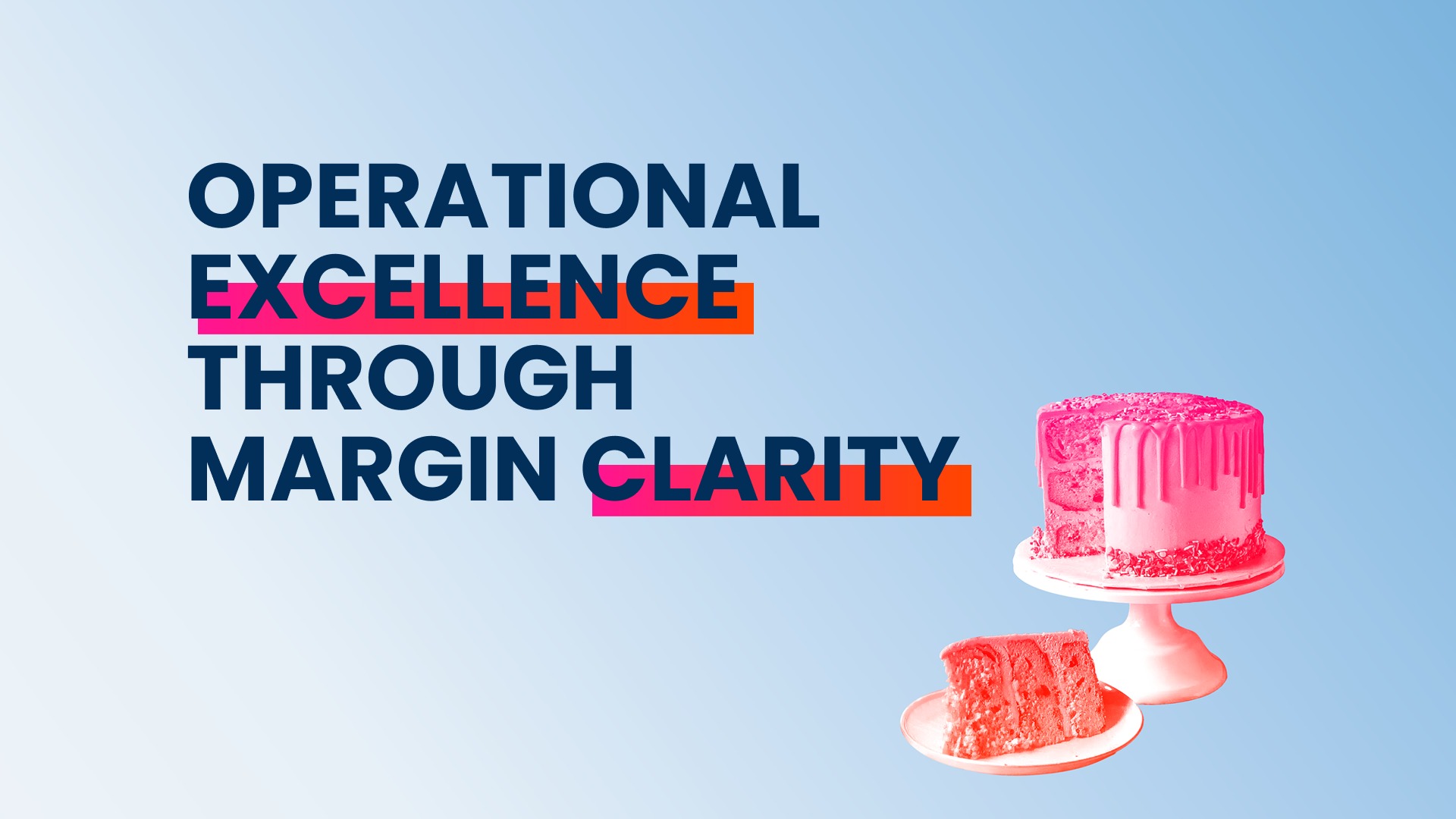
Gross margin composition: missing slice indicates unknowns; ENSEK restores clarity.

Operational Excellence through Margin Clarity

Gross margin is most useful when it’s current, trusted, and explainable. This white paper shows how audit‑ready, point‑in‑time margin insight gives finance the clarity, confidence, and control to act during the month — not after it. 

Read the white paper

The challenge with traditional margin reporting

 
Many energy suppliers still rely on delayed reconciliation, manual checks, and assumption-led reporting to understand gross margin. The result is slow insight, duplicated effort, and limited confidence in the numbers — precisely when the business needs clarity to act earlier. 

How ENSEK delivers continuous, audit-ready gross margin control

ENSEK transforms gross margin reporting from a retrospective exercise into a continuous, trusted control capability.

Built on an engineered data platform – not layered on as an afterthought – ENSEK enables Day One margin truth, eliminating reliance on delayed reconciliation and assumption-led reporting. The result is a single, defensible view of margin that finance, commercial, and operational teams can trust and act on throughout the period.This is not just faster reporting. It is operational control of gross margin – embedded, auditable, and always on.

Compliant

Margin Calculation & Substantiation

Accurate, point-in-time margin calculation across revenue, cost, and adjustment components – fully substantiated and traceable back to source.Eliminates rework, reduces restatement risk, and replaces end-of-month reconciliation with continuous margin validation.

Platform-Level Data Integrity & Governance

Platform-Level Data Integrity & Governance

A controlled, end-to-end data foundation that ensures consistency, lineage, and trust across the margin lifecycle.Designed to handle the complexity of energy retail – from billing through settlement – without fragmentation or manual intervention.
In-Month Margin Visibility & Intervention

In-Month Margin Visibility & Intervention

Real-time, point-in-time insight into margin performance – enabling teams to identify issues, protect value, and act before the month closes.Transforms margin from a lagging indicator into a live control signal for decision-making.
Customer-Journey

Foundation for Forecasting, Assurance & Commercial Control

A stable, trusted margin baseline that supports forecasting, scenario analysis, and financial assurance – with confidence in both current position and future outlook.Extends beyond reporting to enable better pricing, risk management, and profitability decisions.



What this enables

Faster close

Reduced month-end bottlenecks and manual effort

Earlier action

Issues and opportunities identified mid period

Stronger assurance

Clear, defensible audit trails

Better decisions

Shared confidence across finance, commercial, and operations

Take the next step

See how audit-ready, point-in-time gross margin reporting works in practice — tailored to your operating model.


Frequently Asked Questions about Gross Margin Reporting

What is gross margin reporting in energy retail?
Gross margin reporting shows the difference between the revenue a supplier earns and the cost of supplying energy, including wholesale, network, and settlement costs. It provides visibility into profitability and performance.
Why is point-in-time margin insight important?
Pointintime insight shows margin positions during the trading period, not weeks after monthend. This allows teams to identify issues earlier and act with greater confidence. 
How does audit-ready margin reporting reduce risk?
Auditready reporting provides clear data lineage and substantiated calculations. This reduces reliance on assumptions, lowers audit effort, and strengthens confidence in reported numbers. 
Who uses gross margin insight?
Finance teams rely on it most, but commercial, trading, and operations teams also use margin insight to assess performance, manage risk, and support decisions. 
Is this just a finance capability?
No. While finance is the primary user, trusted margin insight becomes a shared business capability when it supports decisions across teams.